How To Identify And Avoid Poison Hemlock The Most Dangerous Plant In North America
Title: How to Identify and Avoid Poison Hemlock, the Most Dangerous Plant in North America
Introduction:
Poison hemlock is a highly poisonous plant that is native to Europe, western Asia, and North America. It is now naturalized in almost every state in the United States. All parts of the plant are poisonous, but the roots and seeds are the most toxic. Poison hemlock poisoning can be fatal, so it is important to be able to identify it and avoid it.
Main Content:
Here are some of the key features of poison hemlock that can help you identify it:
- Stems: The stems of poison hemlock are hollow, smooth, and have purple blotches or streaks. They are typically 2-10 feet tall.
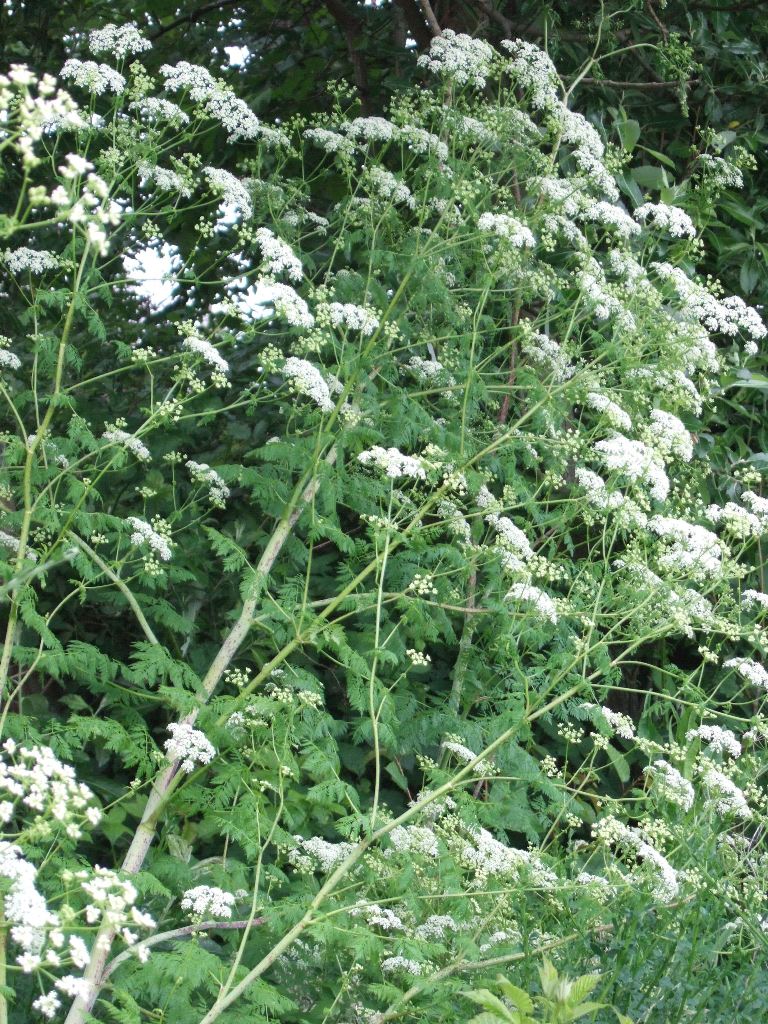
- Leaves: The leaves of poison hemlock are fern-like and deeply divided. They are bright green and have a strong musty odor when crushed.
- Flowers: The flowers of poison hemlock are small and white, and they are arranged in umbrella-shaped clusters. They bloom from June to August.
- Seeds: The seeds of poison hemlock are small, brown, and striped. They are about the size of a poppy seed.
If you see a plant that has any of these features, it is best to err on the side of caution and avoid it. Do not touch it, and do not let your pets eat it. If you think you may have ingested poison hemlock, call poison control immediately.
Here are some tips for avoiding poison hemlock:
- Be aware of its appearance. Learn what poison hemlock looks like so that you can identify it if you see it.
- Stay away from areas where poison hemlock is known to grow. This includes fields, meadows, and roadsides.
- Teach your children about poison hemlock and its dangers. Make sure they know not to touch or eat any part of the plant.
- If you have pets, keep them away from areas where poison hemlock is growing.
Conclusion:
Poison hemlock is a dangerous plant, but it is important to remember that it is not the only poisonous plant in North America. There are many other plants that can cause serious health problems if ingested. If you are not sure whether a plant is poisonous, it is best to err on the side of caution and avoid it.
Poison hemlock is a highly poisonous plant that can be found in many parts of the world. All parts of the plant are poisonous, and even small amounts can be fatal. If you think you may have been exposed to poison hemlock, it is important to seek medical attention immediately.
To learn more about poison hemlock, please visit Home Gardening. This website provides detailed information about the plant, including its appearance, toxicity, and how to identify it. You can also find information about how to control poison hemlock and what to do if you think you have been exposed to it.
FAQ of poison hemlock
- What is poison hemlock?
- Poison hemlock (Conium maculatum) is a tall, poisonous plant that is native to Europe and Asia. It has been introduced to North America and can now be found in many parts of the continent.
- What are the symptoms of poisoning from poison hemlock?
- The symptoms of poisoning from poison hemlock can appear within minutes to hours of ingestion. They typically include nausea, vomiting, abdominal pain, diarrhea, dizziness, confusion, and seizures. In severe cases, poisoning can lead to death.
- How can I identify poison hemlock?
- Poison hemlock is a tall, biennial plant with hollow stems and fern-like leaves. It has a strong, unpleasant odor. The stems are usually spotted with a dark maroon color.
- What should I do if I think I have ingested poison hemlock?
- If you think you have ingested poison hemlock, call the Poison Control Center immediately at 1-800-222-1222. Do not induce vomiting or give the person anything to eat or drink.
- How can I prevent poisoning from poison hemlock?
- The best way to prevent poisoning from poison hemlock is to avoid it altogether. If you are in an area where poison hemlock is known to grow, be careful not to touch or ingest any part of the plant.
Image of poison hemlock
- Poison hemlock plant. This image shows a mature poison hemlock plant, which can grow up to 10 feet tall. The stems are hollow and have purple blotches. The leaves are fern-like and have a strong odor.
- Poison hemlock flowers. The flowers of poison hemlock are small and white, and they bloom in clusters. They have a strong odor that some people find unpleasant.
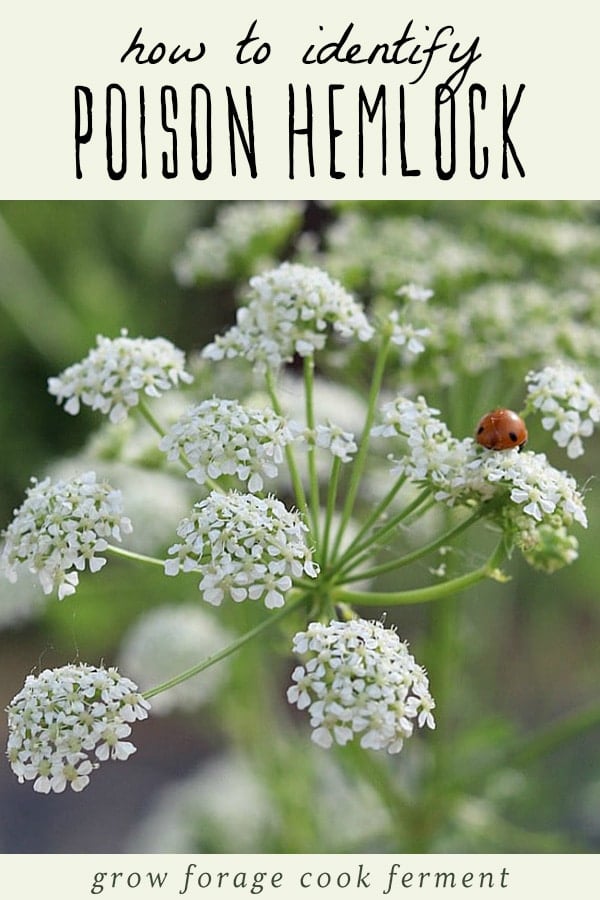
- Poison hemlock seeds. The seeds of poison hemlock are small and black. They are poisonous and can be fatal if ingested.
- Poison hemlock close-up. This close-up image shows the distinctive purple blotches on the stems of poison hemlock.
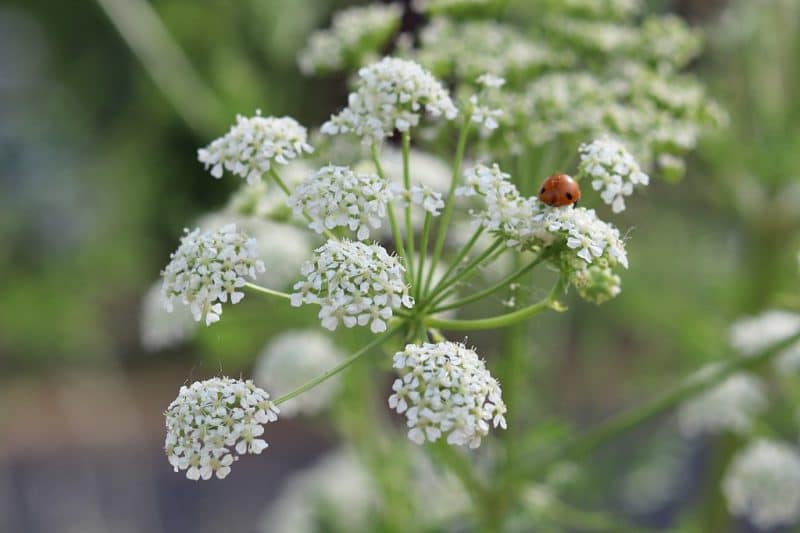
- Poison hemlock growing in a field. This image shows a patch of poison hemlock growing in a field. The plant is easily identifiable by its tall, hollow stems and fern-like leaves.
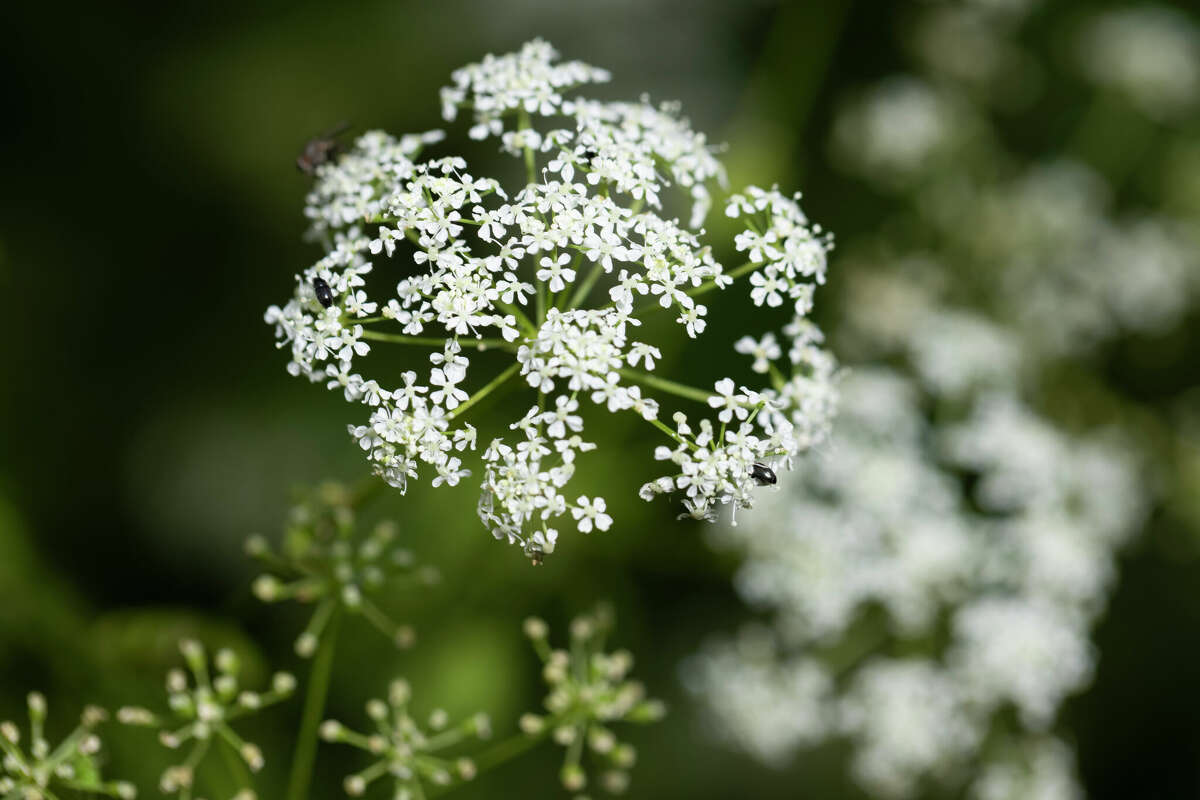
- Poison hemlock growing in a ditch. This image shows a patch of poison hemlock growing in a ditch. The plant is often found in disturbed areas, such as roadsides and vacant lots.
- Poison hemlock in a forest. This image shows a single plant of poison hemlock growing in a forest. The plant is less common in forests than in open areas, but it can still be found.
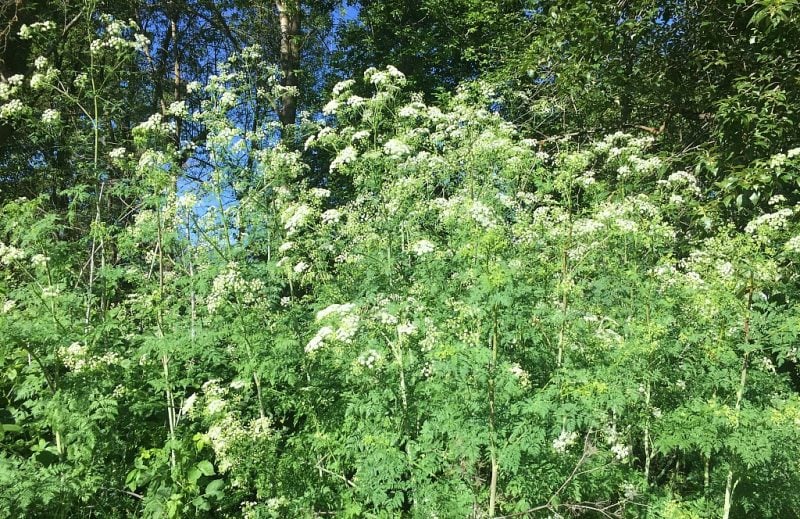
- Poison hemlock leaves. This image shows a close-up of the leaves of poison hemlock. The leaves are fern-like and have a jagged edge.

- Poison hemlock stem. This image shows a close-up of the stem of poison hemlock. The stem is hollow and has purple blotches.

- Poison hemlock identification chart. This image shows a chart that can be used to identify poison hemlock. The chart includes pictures of the plant's leaves, flowers, and seeds.


Post a Comment for "How To Identify And Avoid Poison Hemlock The Most Dangerous Plant In North America"